Deciding whether to repair or replace phone 2026 models depends on a simple rule; you should generally replace your device if the repair cost exceeds 50 percent of a new phone's price. Repairs are more practical if they cost less than 20 percent of the current market value, especially for newer devices with minimal wear. Factor in the age of the hardware and software support, as phones older than four years often benefit more from an upgrade to a modern mid-range alternative.
You are likely standing at a digital crossroads; staring at a spiderweb of cracked glass or a battery percentage that drops faster than your morning coffee cools. In the tech landscape of 2026, the impulse to simply buy the newest flagship is tempered by skyrocketing device prices and surprisingly durable internal hardware. Deciding whether to invest in a fix or commit to a new monthly payment plan requires a strategic approach to your mobile investment. This guide breaks down the essential 50 percent benchmark for repair costs and identifies the five definitive warning signs that your current device is ready for retirement. We will also explore the hidden financial burdens of upgrading and how to maximize your trade-in value. By the end, you will have a clear, data-driven path forward for your smartphone.
The Smartphone Dilemma in 2026: Why the Choice is Getting Tougher
Smartphone innovation has reached a notable plateau. For many users in Sanpete County, the difference between a three-year-old device and the latest model is increasingly difficult to spot in daily use. Processing speeds are more than sufficient for modern apps, and camera improvements have become incremental. However, while performance has leveled out, the financial stakes of maintenance have risen. In 2026, a professional screen replacement for a flagship model can reach as high as $379. This price point creates a genuine puzzle when you need to decide if you should repair or replace phone 2026 models or your current older hardware.
At All Things Phones, we focus on helping our community find the most practical path forward. Our philosophy is rooted in providing clear options that prioritize your budget and your device’s longevity. We believe in providing about our local shop details that reflect our commitment to honest, expert advice rather than high-pressure sales. Beyond the financial considerations, choosing to fix a device significantly reduces electronic waste, a growing concern for many eco-conscious residents. Keeping a smartphone in service for even one extra year keeps heavy metals out of landfills and reduces the carbon footprint associated with manufacturing a new unit. If you are unsure which direction to take, you can contact us for a diagnostic to get an expert opinion on the health of your specific device.
The Golden Rule of Phone Repair: The 50 Percent Benchmark
Deciding whether to repair or replace phone 2026 models requires a cold look at the numbers. The industry standard for this decision is the 50 percent rule. If the cost of a single repair exceeds half the price of a comparable new device, you are likely throwing good money after bad. By 2026, the mid-range market has become incredibly competitive, offering hardware that rivals older flagships at a fraction of the cost.
Consider a scenario where an older flagship requires a $300 screen replacement. While that phone originally cost over $1,000, you can now purchase a high-quality mid-range device for approximately $500. Choosing the repair means you are spending 60 percent of the cost of a new phone on a device with an aging processor and a battery that has already seen hundreds of cycles. In this case, the $500 investment provides a fresh warranty, a brand-new battery, and several more years of software support.
Conversely, the 20 percent rule applies to minor maintenance and component fixes. Repairs such as replacing a clogged charging port or a degraded battery typically cost between $60 and $100. Since these fixes are usually well under 20 percent of the cost of a new phone, they represent an excellent return on investment. These small fixes extend the life of your device for a small fraction of what you would spend on a new monthly payment plan.
Repair Type | Estimated 2026 Cost | New Mid-Range Comparison | Decision Benchmark |
|---|---|---|---|
Battery Replacement | $65 – $95 | $500+ | Repair (Under 20%) |
Screen (Flagship) | $275 – $375 | $500+ | Replace (Over 50%) |
Charging Port | $70 – $110 | $500+ | Repair (Under 20%) |
Our team helps Sanpete County residents navigate these numbers every day to find the most logical path. If the math points toward an upgrade, we offer professional device setup and support to ensure all your photos, contacts, and apps move over seamlessly to the new hardware without the usual configuration headaches.
Five Signs Your Phone is Ready for Retirement
Financial formulas provide a solid foundation for decision making, but hardware limitations often dictate the final outcome. Even if a fix is affordable, certain technical failures indicate that a device has reached the end of its functional life. Identifying these red flags helps you avoid sinking money into a platform that will inevitably fail again in a few months. When you are caught in the middle, knowing these five signs can help you decide whether to repair or replace phone 2026 models or your older hardware.
Security Update End of Life (EOL): In 2026, your phone is more than a communication tool; it is your wallet and your digital identity. Once a manufacturer stops providing security patches, your device becomes vulnerable to new exploits. Operating an EOL device exposes your banking information and personal data to risks that a new screen or battery cannot fix. Security is a non negotiable reason for an upgrade.
Extreme Performance Lag: Modern applications are designed for the processors of today, not five years ago. If your phone stutters during basic navigation or takes several seconds to open the camera, the hardware is likely struggling to keep up with the resource demands of 2026 software updates. This processor fatigue is a permanent state that software resets rarely resolve.
Advanced Physical Degradation: Issues like ghost touching, where the screen reacts to phantom inputs, or frequent random restarts often point toward motherboard failure. These internal logic board issues are notoriously difficult and expensive to fix compared to modular parts like screens. If you notice these symptoms, contact us for a diagnostic before committing to any surface level repairs that might not solve the underlying problem.
Storage Capacity Limits: By 2026, 64GB or even 128GB of storage has become a significant bottleneck. High-resolution media, 4K video, and larger system files quickly consume this space, leading to system instability and the inability to update apps. Since internal storage cannot be upgraded, a device that is perpetually full is essentially obsolete for modern media needs.
Battery Swelling: This is a critical safety hazard. If you notice your screen lifting from the frame or the back panel bulging, the lithium ion battery has failed and expanded. This pressure can warp the frame and snap internal connectors. While a battery can be replaced, the secondary damage caused by the swelling often makes the device unreliable even after a fix.
Our team at All Things Phones can help you evaluate these hardware limits and provide device setup and support if the transition to a new device is the safest and most efficient path forward for your daily needs.
When a Repair is Your Best Financial Move
While hardware failure can signal the end of a device, many issues fall into the "easy win" category. These repairs are affordable and provide a significant return on investment. The most common scenario involves a degraded battery. In 2026, a high quality battery replacement typically costs between $50 and $100. This small investment can effectively add two years of functional life to your smartphone, restoring the all day performance you had when the device was new.
For devices that are only one or two years old, even a more expensive screen repair is often the smartest financial move. Maintaining the physical integrity of a newer flagship is crucial for protecting its trade-in value. A cracked screen can slash a trade-in offer by $200 or more; conversely, a professional repair keeps your options open for a future upgrade. When you evaluate the math to repair or replace phone 2026 options, staying with your current hardware via a quick fix often prevents you from being locked into a 36 month carrier contract that costs thousands over time.
Repair Type | Average Cost | Life Extension | Economic Benefit |
|---|---|---|---|
Battery | $50 – $100 | 18–24 Months | Avoids new device purchase |
Charging Port | $70 – $110 | 24+ Months | Restores reliable daily use |
Screen (1-2 yrs old) | $150 – $250 | Full device life | Preserves high trade-in value |
Our team at All Things Phones provides local Sanpete County support for these efficient interventions. By choosing these targeted fixes, you maintain control over your technology budget and your data. If you are unsure if your device qualifies for a simple fix, you can contact us for a diagnostic to get an honest assessment from our technicians. Helping you avoid unnecessary debt and complex upgrades is a core part of our mission. You can learn more about our local shop and our commitment to providing practical mobile solutions for our neighbors.
The Hidden Costs of Replacing Your Smartphone
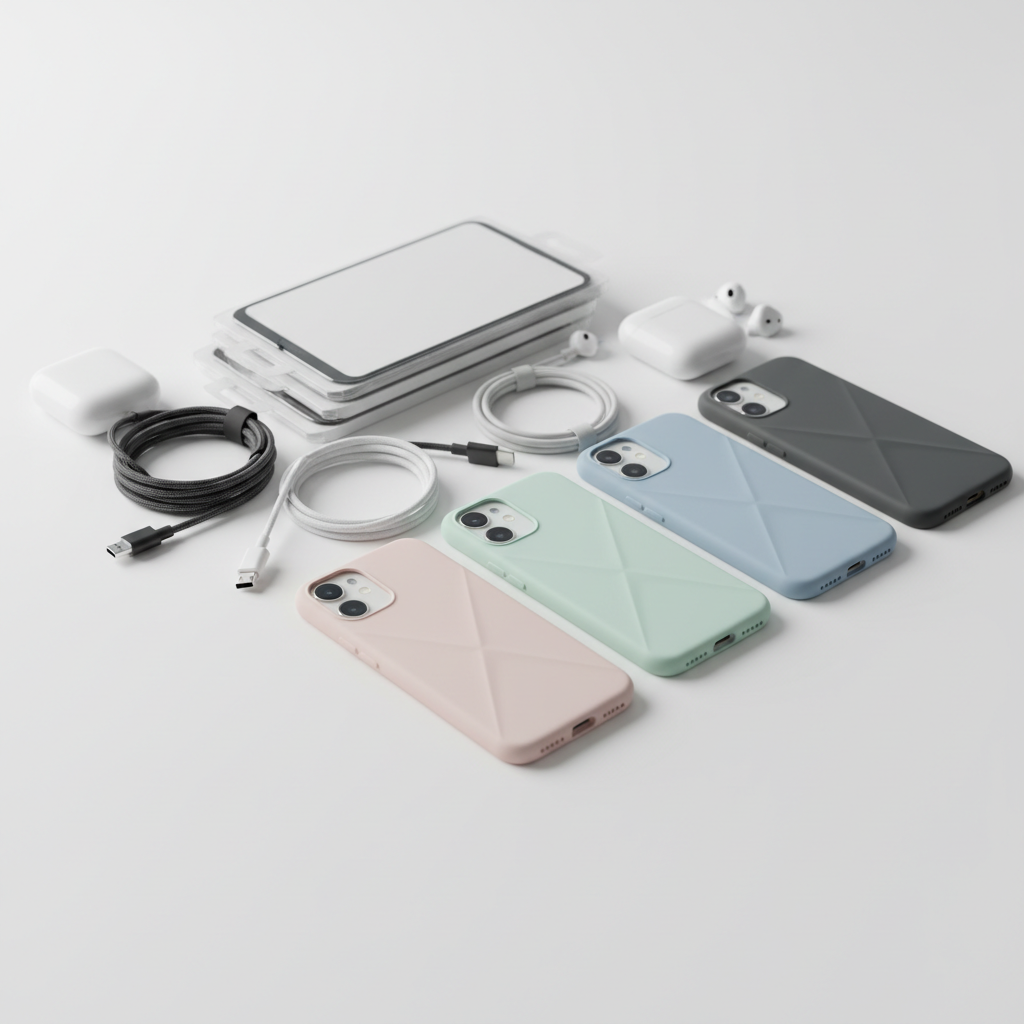
Buying a new phone seems like a simple transaction, but the sticker price is rarely the final number. When you weigh the decision to repair or replace phone 2026 models, remember that the transition often comes with logistical and financial baggage. The most immediate hidden expense is the accessory ecosystem. Because manufacturers frequently change device dimensions or charging port standards, your existing cases, screen protectors, and even some cables often become obsolete. Outfitting a new device with a quality protective kit can easily add $80 to $120 to your initial investment.
Carrier contracts present another layer of cost. Many 2026 upgrade promotions require you to switch to the latest "premium" unlimited plans. If your current grandfathered plan is $15 cheaper per month, that new phone actually costs you an extra $540 over a standard 36 month finance term. Additionally, the time cost of data migration is significant. Moving high resolution photo libraries, re-authenticating banking apps, and transferring security tokens can take hours of manual effort and troubleshooting.
At All Things Phones, we help local families and businesses avoid these frustrations. Our device setup and support handles the heavy lifting of data migration, ensuring your contacts, photos, and apps are ready to use the moment you leave the shop. This professional assistance eliminates the downtime typically associated with a new device and ensures you aren't paying for carrier features you don't actually need.
Smartphone Trade-in Value vs Repair Cost in 2026
The secondary market in 2026 is unforgiving when it comes to cosmetic damage. When you evaluate whether to repair or replace phone 2026 devices, the decision often hinges on the steep trade-in value penalty for a cracked screen. Most major retailers and carrier programs categorize trade-ins strictly as either "Good" or "Damaged." A single hairline crack can drop a flagship's trade-in offer by $300 or more, even if the phone works perfectly. If a professional screen repair costs $150, performing that fix before trading in the device effectively nets you an additional $150 in profit.
Before assuming your current device is junk, check its potential value on the secondary market. Data shows that professional repairs frequently cost significantly less than the total value lost when selling a damaged unit. If you are preparing for an upgrade, contact us for a diagnostic to see if a quick fix could boost your device's resale price. Our team can also provide device setup and support to help you transition to your new hardware once you have secured the maximum possible trade-in value. Understanding these market shifts is how we help neighbors at about our local shop make the smartest financial choices.
Deciding whether to repair or replace your device in 2026 involves balancing current performance against the long term costs of new technology. While many smartphones can be restored with a simple component swap, some situations warrant a full upgrade. If you want expert help navigating these choices, you can read more about our team and our commitment to quality service. We are here to provide the guidance you need to ensure your mobile experience remains seamless, affordable, and perfectly suited to your lifestyle.